
2 min read
Your UI Isn’t Simple. Your System Is Just Hidden Well
Simple interfaces are rarely simple to build. Behind every clean UI is a deeply considered system of states, logic, accessibility, and product thinking.

Kunal Sindhi
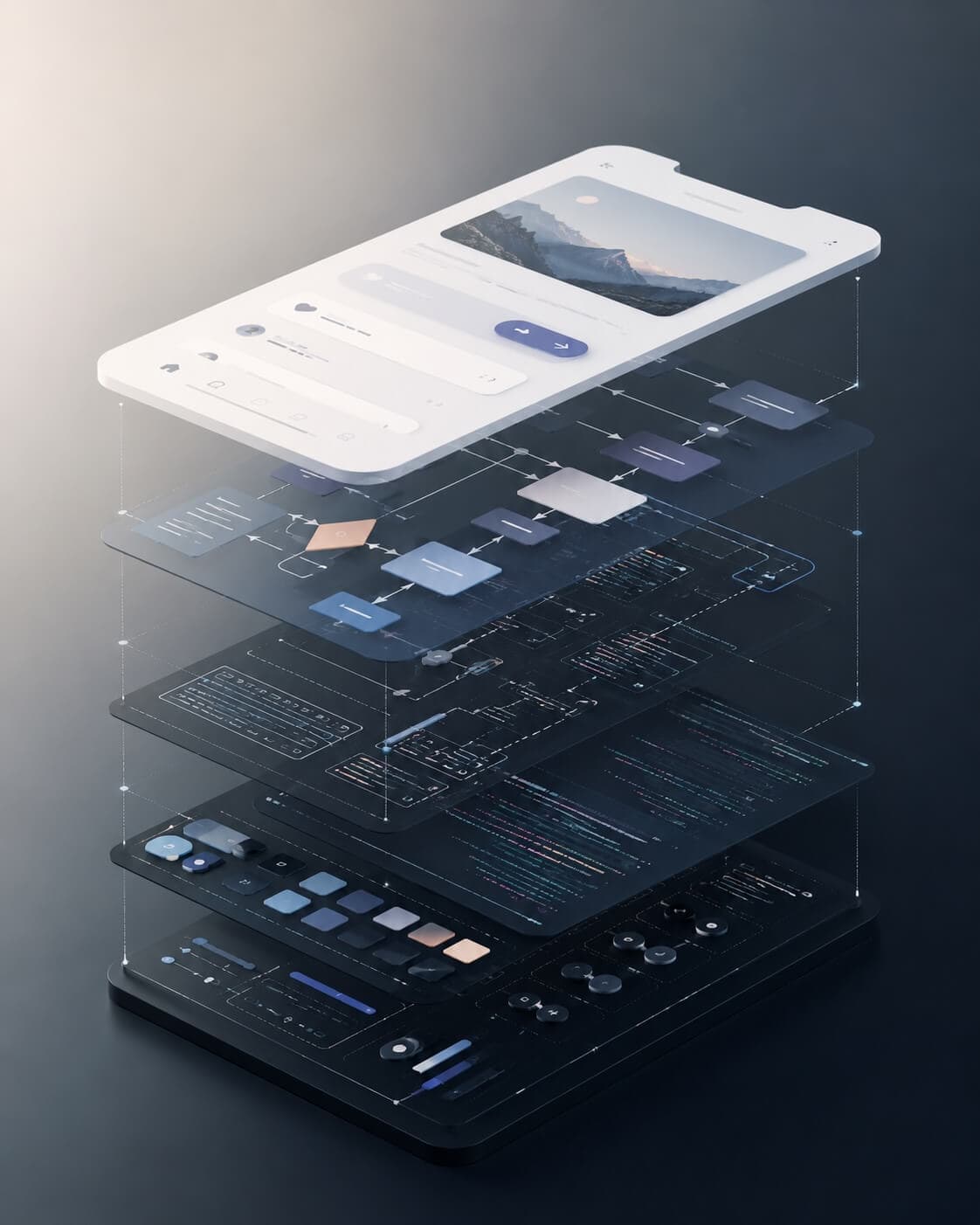
Your UI Isn’t Simple.
Your System Is Just Hidden Well.
People often look at polished products and say:
“Wow, this UI is so simple.”
But simple interfaces are rarely simple to design.
Behind every clean screen is:
- dozens of edge cases
- state handling
- interaction decisions
- spacing systems
- accessibility checks
- responsive behavior
- loading patterns
- error prevention
- user psychology
The user only sees the calm surface.
They don’t see:
- the iterations
- the failed flows
- the design tokens
- the conditional logic
- the conversations between design and engineering
And honestly…
That’s good design.
Because the goal of a product isn’t to show complexity. It’s to absorb complexity so the experience feels effortless.
The best interfaces hide the hard work so well that people think:
“That looks easy.”
But every “simple” product is actually a deeply considered system underneath.
⸻
The Invisible Layer of Product Design
As designers, we’re not just arranging pixels anymore.
We’re designing:
- behaviors
- decisions
- states
- trust
- clarity
- resilience
A beautiful UI is only the visible layer.
The real design lives underneath.
⸻
Why Simplicity Feels Powerful
The interfaces users remember most are often the ones they barely notice.
Not because they lacked depth — but because every interaction felt natural.
That level of simplicity comes from:
- anticipating user intent
- reducing cognitive load
- handling uncertainty gracefully
- creating consistency across experiences
Simple products are usually the result of complex thinking refined over time.
⸻
Simple UI is not less work. It’s invisible work done well.
⸻
Hashtags
#UIDesign #UXDesign #ProductDesign #DesignSystems #InteractionDesign #Frontend #AI #DesignThinking #UserExperience #DigitalDesign